
Xpansiv at CHESSA Energize: Conversations Shaping the Future of Clean Energy

Xpansiv’s Managed Solutions team joined clean energy professionals at CHESSA Energize in Charlottesville, Virginia, for conversations on policy, solar and storage, and the responsible use of AI.
For solar and storage professionals across Maryland, Virginia, and Washington, D.C., CHESSA Energize is where the region’s industry gets together to work through what’s changing in the market. This year, Xpansiv joined as a conference sponsor, and Ally Niphakis, our VP of Managed Solutions and CHESSA Board chair, opened the day’s discussions.
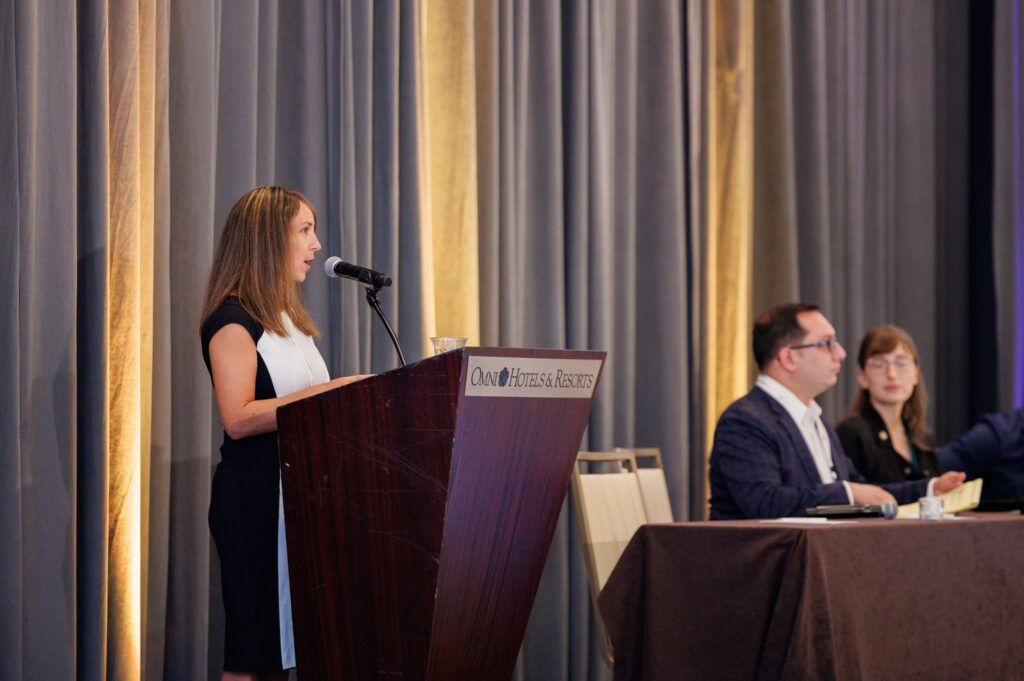
In her opening remarks, Ally reflected on how much the industry has had to deal with over the past year. Federal policy changes have had a significant impact on companies, and the industry is facing many changes at the state level too, particularly around net metering and incentive programs. Maryland had a difficult legislative session, and the industry didn’t always agree on the best path forward. Even so, members came together and worked through it collaboratively.
The event also gave our team time to meet clients in person. We discussed their priorities and where we can continue supporting their work as state policy and incentive programs evolve.
Exploring the policy landscape for solar and storage
Policy discussions at the conference focused more on the state level than the federal level. In Virginia, CHESSA highlighted its work during the 2026 legislative session to expand the solar carve-out. Xpansiv worked with the subcommittee to outline the legislative proposal and lobby on the bill. In Maryland, the 2026 session centered on net metering and how to transition to NEM 2.0.
The discussions showed how state-level policy decisions can directly shape renewable energy markets, influencing everything from incentive programs to the opportunities available to market participants. As states take different approaches to issues such as solar targets and net metering, understanding those developments is critical to seeing where individual markets are heading.
The Xpansiv team also attended Policy 101, a session on how government policy drives the solar market. It covered renewable portfolio standards (RPS), net metering, solar incentive programs, utility regulation, and federal energy regulations, as well as the roles of legislatures and public service commissions.

The session looked at how state and federal legislation affects renewable energy markets, REC programs, and future opportunities for the industry. The future success of solar depends on legislative and regulatory decisions at both levels, with energy affordability shaping many of those discussions. Speakers encouraged solar companies to look beyond technology and project development and stay actively involved in the policy environment in their states, since government decisions will determine many of the incentives and market opportunities available to them.
Staying close to these discussions helps Xpansiv understand the policy and regulatory developments affecting the markets our clients operate in.
Our team also attended Lobbying 101, which focused on building relationships and trust with legislators and becoming a credible resource for the industry. Speakers emphasized effective communication and understanding the legislative process, and discussed how businesses and constituents can influence renewable energy policy. Having industry expertise is only part of the equation. Businesses also need to communicate complex market issues clearly and establish the credibility needed to become a useful resource for policymakers.
Connecting with women across the industry
The Women in Solar Breakfast, held ahead of the main conference, brought together women working across solar and clean energy. Ally opened the session, focusing on some of the challenges women face across the industry. The numbers show why these conversations are important. According to the International Renewable Energy Agency (IRENA), women hold 32% of full-time renewable energy jobs worldwide, a share that hasn’t changed since 2019, and only 19% of senior leadership roles.

Speakers also shared their work across the sector, including in policy and in projects that combine solar generation with farming, called agrivoltaics. Their examples added an encouraging note to the morning, highlighting the range of areas women are actively helping to shape, from project development to policy.

Using AI responsibly in clean energy
Ally moderated the panel discussion, “Using AI Responsibly in Clean Energy: Innovation with Energy Awareness.”
Panelists discussed how companies are applying artificial intelligence and why its environmental impact should be considered when deciding where and how to use it. The conversation covered implementation practices. For clean energy companies, that means weighing the value of AI for a given task versus the energy it uses. AI has clear uses in clean energy, but it’s not always the best tool for the job.
Continuing the conversation
Taking part in industry groups such as CHESSA gives our team the opportunity to hear directly from market participants, contribute to important industry conversations, and stay close to the policy and market developments affecting their work. Those insights also inform the conversations we have with clients as they navigate changes in the market.
If you’d like to discuss your SREC needs or how developments in the market could affect your projects, connect with our Managed Solutions team.